
Thermography
Drone Thermography & Infrared Scanning
Drone-mounted infrared scans detect micro-cracks, hotspots and string failures invisible to the naked eye.
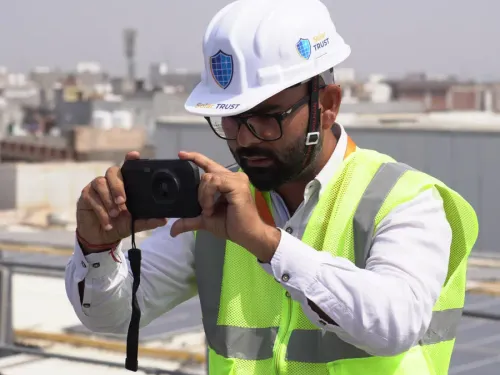
Scan Scope
What thermography reveals
Our drone-based thermal imaging surfaces the hidden faults that static inspection and visual checks miss entirely.
Hotspots & Cell Failures
Infrared imaging flags localized heating caused by bypass diode failures, cracked cells, and string-level imbalances.
Micro-Cracks & Degradation
Detect cell-level fractures and early-stage degradation that reduce output without any visible external damage.
Soiling & Shading Patterns
Map temperature anomalies from uneven soiling, vegetation shading, and architectural obstructions across the array.
Suitability
When should you run a thermography scan?
- Unexplained generation drops with no visible fault
- Pre-warranty-expiry module health audits
- Quarterly or annual preventive inspections
- Post-commissioning baseline verification
What we need to begin
01
Site Location & Layout
Array coordinates and module layout to plan the drone flight path.
02
Weather Window
A clear, low-wind day with adequate irradiance for accurate thermal capture.
Process & Timeline
From drone flight to actionable report
A single aerial pass is processed into a module-level thermal map within 48 hours.
01
Flight Planning
Array geometry and weather are reviewed to schedule the optimal scan window.
02
Aerial Capture
Drone-mounted infrared and RGB imaging covers every module in a single pass.
03
AI Analysis
Thermal anomalies are mapped to specific modules and classified by severity.
04
Findings Report
A module-level heatmap with prioritized rectification recommendations.
Proven Results
Real results from the field
Outcomes SolarTrust has delivered across commercial, industrial, and utility-scale plants.
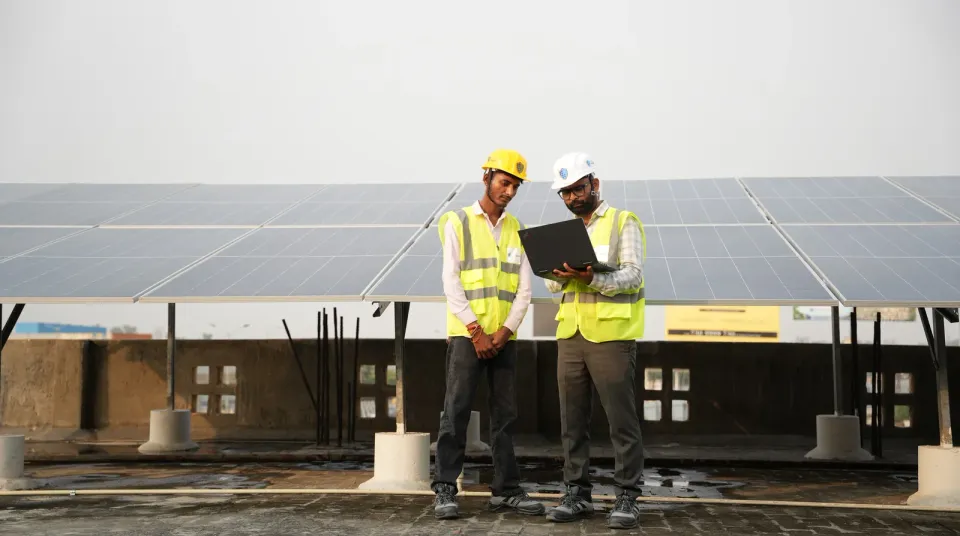
15MW Utility-Scale Karnataka


Implemented predictive analytics that alerted technicians on inverter faults 48 hours before failure.
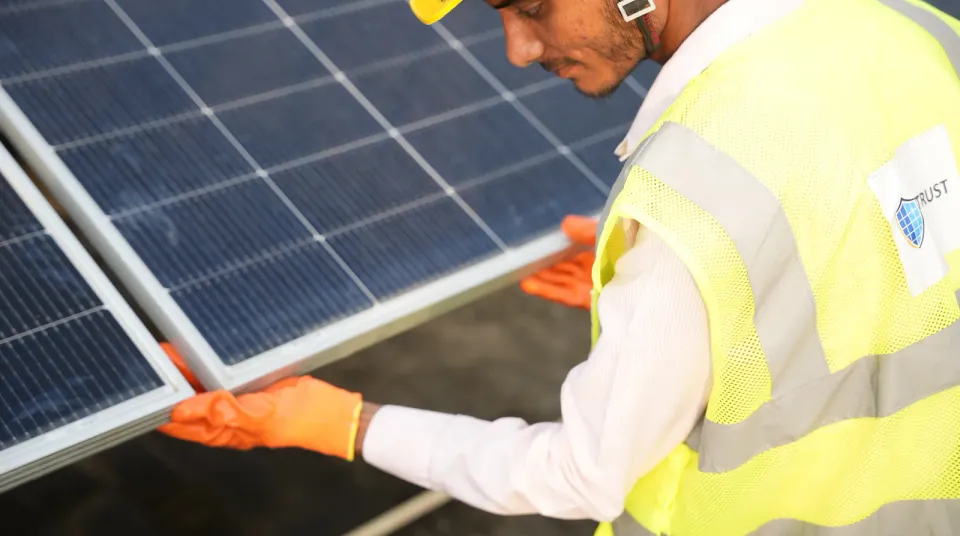
2MW Warehouse Rooftop
Our team established consistent 24-hour response window resolving minor local grid trippings instantly.
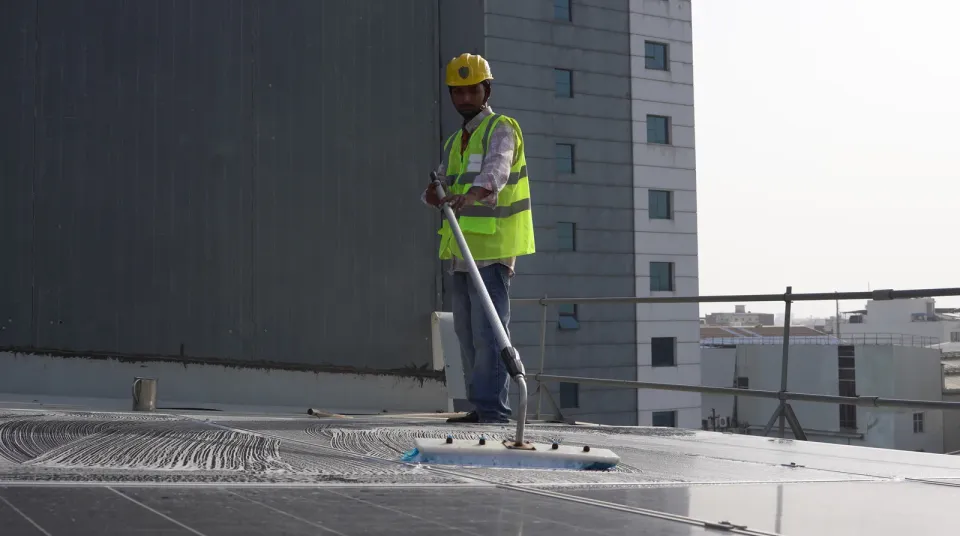
6MW Textile Mill Maharashtra
Chemical scaling removed safely via demineralized water washing, yielding a permanent 12% rise in energy.
COMMON QUESTIONS
Thermography FAQs
How accurate is drone thermography?
Our calibrated infrared cameras resolve temperature differences down to fractions of a degree, allowing us to isolate individual cell and diode failures with module-level precision.
Do you need to shut down the plant?
No. Thermography is non-invasive and can be performed while the plant is generating. We simply schedule around peak irradiance windows for the most accurate thermal contrast.
What do I receive after the scan?
A module-level thermal heatmap with every anomaly tagged by location and severity, alongside a prioritized rectification plan you can act on immediately.
How often should I run a scan?
We recommend a baseline scan at commissioning, then preventive scans at least annually. Plants in high-soiling or extreme-temperature regions benefit from quarterly coverage.
Get in touch
Let’s talk about your solar assets.
We respond within 4 hours on all business days. No automated queues — a real engineer picks up every enquiry.


